Finding a top China Bag-Packed Cotton Swab supplier requires more than comparing prices on a marketplace. Buyers need evidence of stable quality, dependable production, and clear communication. A polished product page is useful, but it is not proof. Real confidence comes from checking factory capabilities, material sources, packaging methods, and quality records.
Start with the cotton swab itself. Ask about cotton absorbency, stick material, tip attachment, size tolerance, and packaging cleanliness. Request recent samples, not only catalog photographs. Hold each swab, inspect the cotton surface, and compare the bag seal under normal handling. Small details matter. A loose seal can damage customer trust.
Supplier evaluation should also include factory experience and production controls. Review inspection procedures, batch traceability, storage conditions, and the supplier’s ability to meet your required volume. Certifications may support credibility, but buyers should verify their scope and validity. A responsible supplier will explain what each document covers. They will not hide behind vague claims.
Communication reveals practical reliability. Can the team answer technical questions clearly? Do they confirm specifications in writing? Do they explain delays before shipment? These points often matter more than a small price difference. Still, no checklist is perfect. I have seen attractive samples fail during larger production runs. That is why a trial order, independent inspection, and written quality agreement remain sensible safeguards. The best China supplier is not always the cheapest or largest. It is the partner that delivers consistent Bag-Packed Cotton Swab products and responds honestly when problems appear.
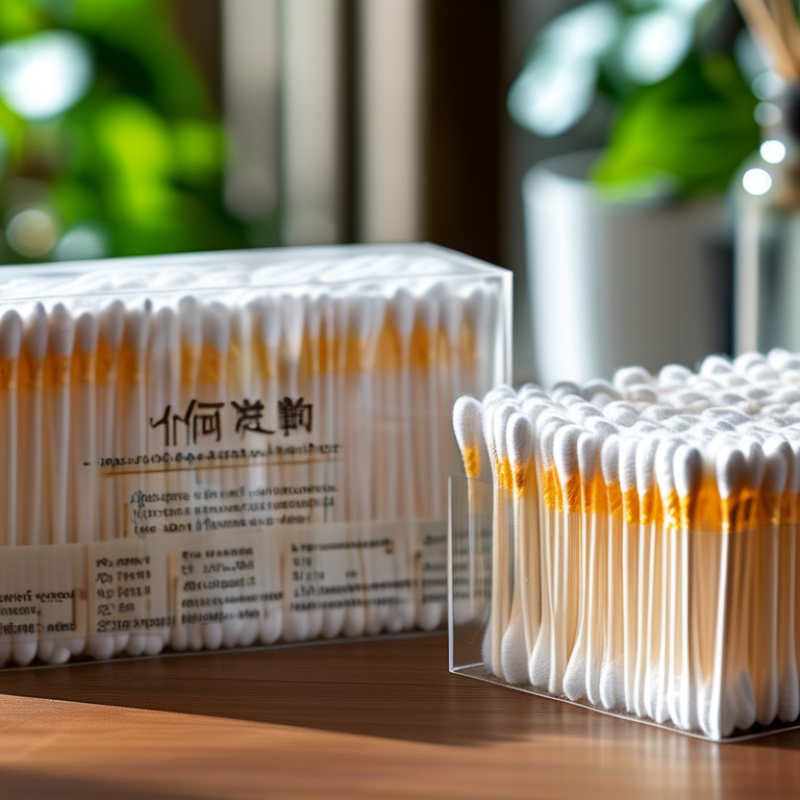
Finding a reliable China bag-packed cotton swab supplier starts with a clear product specification. Define the swab material, tip size, stick length, bag dimensions, quantity per bag, and packaging method. State whether the cotton must be absorbent, lint-controlled, or medically suitable. Small details matter. A loose seal can expose the swabs during transport.
Use ISO 2859-1 AQL sampling to make quality decisions more consistent. Agree on the lot size, inspection level, sample code, and AQL values before production. Separate critical, major, and minor defects. For example, a contaminated swab may require zero acceptance, while a slightly uneven cotton tip may follow an agreed major-defect limit. The supplier should record sample results, defect photos, and acceptance decisions. AQL is not a promise that every unit is perfect. It is a sampling method with calculated risk.
During supplier audits, inspect sealing equipment, cotton storage, batch labeling, and operator hygiene. Ask for recent inspection records, not only prepared samples. Compare the approved sample with mass production under the same lighting. I have seen attractive samples hide inconsistent bag counts. That mistake is easy to miss. It also becomes expensive after shipment. A practical purchase order should include the approved specification, sampling plan, defect classification, and actions for failed lots. Supplier communication may still be imperfect, so repeat key requirements in drawings and signed documents.
When screening China suppliers, ISO 13485:2016 should be more than a certificate displayed online. Ask for the current certificate, issuing body, covered facility, and exact product scope. The factory address must match the audited production site. Check the certificate’s validity independently. A trustworthy supplier should provide controlled documents without avoiding reasonable questions.
GMP compliance shows how consistently the factory controls daily production. Review incoming cotton inspection, packaging material checks, equipment cleaning, personnel hygiene, and batch traceability. Ask to see a sample batch record with sensitive commercial details removed. It should connect raw materials, operators, inspection results, and final release decisions. Good records leave a clear trail.
Visit the facility, if possible. Observe sealed packaging areas, storage conditions, pest controls, and rejected-material segregation. Ask how the supplier handles complaints, deviations, recalls, and corrective actions. Request product samples from a normal production batch, not only specially prepared samples. Compare labels, bag seals, cotton appearance, and count accuracy. Small gaps matter. During audits, I have learned that polished documents can hide weak execution. My own checklist is never perfect, so I verify critical points twice and record unanswered questions. A supplier that welcomes evidence-based review is usually easier to manage over time.
Finding a reliable China supplier of bag packed cotton swabs requires more than comparing unit prices.
Ask for cotton specifications, origin records, fiber processing details, and batch traceability. A clean white swab is not proof of medical suitability. Request recent certificates of analysis, not generic brochures. Check absorbency, fiber shedding, odor, and residue results. Small differences matter.
Sterility needs equal attention. Confirm whether each bag is sterilized, packed aseptically, or supplied non-sterile. These are different claims. Review the validated sterilization method, cycle records, packaging integrity tests, and expiration data.
Ask how the supplier handles failed batches and environmental monitoring. A serious manufacturer should provide lot-specific documents and retain samples. During sampling, inspect sealed bags for pinholes, weak seals, and crushed swab heads.
Photos help, but physical inspection is stronger evidence.
For products touching injured skin or sensitive tissue, request a biocompatibility evaluation aligned with ISO 10993.
The exact tests should match the contact type and duration. One certificate cannot answer every risk. Review cytotoxicity, irritation, sensitization, and chemical characterization when applicable. Check the laboratory’s accreditation and report identity.
Do not accept “ISO 10993 approved” as a complete explanation. It is an assessment framework, not a magic label.
Supplier audits, pilot lots, and independent testing add confidence. My review would remain cautious: documents can age, and packaging changes may invalidate earlier evidence.
How to Find a Top China Bag Packed Cotton Swab Supplier?
For bag-packed cotton swabs, material selection starts with the intended sterilization method. Ask the supplier for film structure, coating details, thickness records, and lot traceability. ISO 11607-1:2019 requires packaging materials to protect sterile contents during handling, storage, and transport. A shiny pouch is not proof of compliance.
Request seal validation records, not only factory photographs. ASTM F88/F88M evaluates seal strength, while ASTM F1929 detects channel leaks in porous packages. ASTM F2096 can assess gross leaks through internal pressurization. Test samples should represent routine production, including low and high sealing temperatures. The seal must remain continuous around the cotton swab pouch. Tiny wrinkles matter. So does fiber contamination.
In practical audits, inspect a sealed sample under angled light and gently flex its edges. Then compare peel results across production lots. Industry packaging research frequently identifies seal integrity as a leading source of sterile-barrier failure, but exact failure rates vary by product and process. Be careful with impressive supplier data. Some reports show only ideal samples. Ask for raw test conditions, sample numbers, acceptance limits, and retest rules. I would also repeat testing after simulated transport, because a perfect laboratory pouch may fail after vibration. ISO 11607-1 supports this risk-based approach, although it does not replace product-specific validation. Supplier selection is never completely tidy. That is the uncomfortable part.
| Validation Category | Checkpoint | Recommended Evidence | Relevant Requirement or Test Principle | Suggested Acceptance Criteria | Review Status | Risk Level |
|---|---|---|---|---|---|---|
| Bag Material | Material structure and composition | Approved specification identifying each layer, polymer type, paper or film grade, thickness, coating, and supplier change-control process. | ISO 11607-1 requires packaging materials and systems to be suitable for sterilization, handling, storage, and use while maintaining sterility until the point of use. | Complete material specification is available, controlled, traceable, and consistent with the selected sterilization method. | Required | High |
| Bag Material | Physical integrity of the pouch or bag | Incoming inspection records for thickness, basis weight where applicable, tensile strength, elongation, puncture resistance, and visual defects. | Packaging must withstand expected manufacturing, sterilization, transportation, and storage stresses without compromising the sterile barrier. | Results meet the approved product specification; no pinholes, tears, delamination, cracks, exposed fibers, or foreign matter are observed. | Required | High |
| Sterile Barrier | Microbial barrier performance | Test report from a qualified laboratory using a validated microbial-barrier or package-integrity method appropriate to the final packaging system. | ISO 11607-1 addresses the ability of the sterile barrier system to prevent ingress of microorganisms under specified conditions. | No loss of sterile-barrier performance after sterilization, conditioning, distribution simulation, and aging studies. | Required | Critical |
| Seal Design | Seal width, location, and continuity | Controlled drawing showing seal width, seal area, pouch dimensions, seal-to-product clearance, and permitted seal defects. | The packaging system must be designed to provide a consistent, reproducible seal that protects the sterile barrier. | Seal dimensions remain within the approved drawing; the seal is continuous and free from channels, wrinkles, contamination, burns, and open areas. | Required | High |
| Seal Strength | Peel or seal-strength performance | Validated laboratory report using a recognized seal-strength method, such as ASTM F88/F88M, with sampling plan and test direction defined. | Seal strength should be sufficient for handling and transport while allowing clean, controlled opening when the package is used. | Measured values meet the approved minimum and maximum limits established through packaging design validation; opening is free of fiber tear and uncontrolled delamination. | Required | High |
| Seal Integrity | Leak and channel detection | Non-destructive or destructive package-integrity test report, such as ASTM F1929, ASTM F2096, or another validated method suitable for the package format. | Package integrity testing should demonstrate that the seal and material do not contain channels or leaks that could allow microbial ingress. | No leaks, channels, or open seal paths are detected in the validated sample set after processing and conditioning. | Required | Critical |
| Sterilization Compatibility | Compatibility with the selected sterilization process | Compatibility statement and test data for the specified process, such as ethylene oxide, gamma irradiation, or steam where applicable. | Packaging materials must retain required physical, chemical, and barrier properties after the intended sterilization cycle. | No unacceptable discoloration, embrittlement, odor, loss of seal strength, delamination, or material deformation after sterilization. | Required | Critical |
| Cleanliness | Particulate, residue, and bioburden control | Cleanroom classification, environmental monitoring summary, product bioburden results, cleaning procedure, and foreign-matter control records. | Packaging should be manufactured and supplied in a condition suitable for the intended medical-device application and sterilization process. | Results comply with the purchaser's approved cleanliness, bioburden, and particulate limits; no visible contamination is present. | Required | High |
| Dimensional Control | Bag size and cotton-swab fit | Dimensional inspection report covering bag length, width, gusset where applicable, opening size, and product clearance. | Packaging design must support safe insertion, adequate protection, effective sealing, and aseptic presentation of the cotton swab. | All dimensions meet the approved drawing; the cotton swab does not distort the seal area or puncture the bag during normal handling. | Required | Medium |
| Opening Performance | Controlled opening and presentation | Opening evaluation under simulated-use conditions, including peel behavior, product presentation, fiber shedding, and operator handling. | The sterile barrier system should permit aseptic presentation without compromising the product or creating unacceptable packaging debris. | Bag opens consistently along the intended path; no sharp edges, uncontrolled tearing, seal fragments, or visible fibers contaminate the product. | Required | High |
| Distribution Testing | Transportation and handling durability | Distribution simulation plan and report based on the intended shipping configuration, package weight, transport route, and handling conditions. | ISO 11607-1 requires packaging to maintain integrity during expected distribution and storage conditions; ASTM D4169 or an equivalent approach may be used where appropriate. | No package breaches, seal failures, punctures, delamination, or unacceptable deformation occur after simulated distribution exposure. | Required | Critical |
| Aging Study | Shelf-life and accelerated-aging validation | Real-time aging protocol and, where justified, accelerated-aging report covering material integrity, seal strength, and package integrity. | Packaging must maintain sterile-barrier performance throughout the claimed shelf life under labeled storage conditions. | Post-aging results remain within approved limits for seal strength, leak integrity, visual condition, and material performance. | Required | Critical |
| Supplier Quality | Process validation and seal-process control | Validated sealing parameters, equipment qualification, process-monitoring records, calibration certificates, and deviation-control procedure. | ISO 11607-1 focuses on packaging materials and systems; ISO 11607-2 is used for validation of forming, sealing, and assembly processes. | Critical process parameters are defined, monitored, recorded, and protected against unauthorized changes. | Required | Critical |
| Traceability | Lot identification and change control | Lot number format, certificate of conformity, raw-material traceability, retention-sample policy, complaint procedure, and formal change-notification process. | Consistent packaging performance requires controlled production records and traceability from raw material through finished bag supply. | Each shipment is traceable to production and material lots; significant changes are notified and revalidated before implementation. | Required | High |
| Documentation | Technical file completeness | Material specifications, drawings, test methods, validation reports, inspection records, certificates, safety data, and applicable regulatory declarations. | Objective evidence is needed to demonstrate that the packaging system meets defined requirements and remains suitable for its intended use. | Documents are current, signed or electronically approved, revision-controlled, internally consistent, and available for audit. | Required | High |
| Supplier Selection | Sample approval before mass production | Pre-production samples, approved golden sample, first-article inspection, test results, and written approval from the purchaser. | Packaging performance should be verified on the final material, final dimensions, final sealing method, and representative cotton-swab configuration. | Mass production is released only after sample dimensions, material, seal quality, cleanliness, and performance meet the approved specification. | Required | High |
How to Find a Top China Bag Packed Cotton Swab Supplier?
A reliable supplier should provide clear specifications before quoting. Confirm swab material, stick length, cotton weight, bag count, and sealing method. Ask for a production sample, not only catalog photos. In factory evaluations, I compare the sample with the approved specification after handling and opening each bag. Small differences matter. Loose fibers or weak seals can create costly complaints.
Compare MOQs with your actual sales forecast. A lower unit cost may require 100,000 bags, while your first order needs only 20,000. Calculate the cost per usable bag, including cartons, inspection, tooling, and inland delivery. Request tiered prices at three quantities. Check whether the price changes because of cotton grade or merely packaging volume. I have seen quotations look attractive until custom printing and unused cartons were added.
Lead time should show sampling, material purchasing, production, inspection, and dispatch separately. A practical estimate might be 7 days for samples and 25 days for production, but seasonal capacity can change it. Incoterms 2020 must be stated precisely. Under FOB, the buyer usually manages the main ocean freight and insurance. Under CIF, the seller arranges freight and minimum insurance, but destination charges may remain unclear. Ask for the named port, risk-transfer point, and excluded fees in writing. My own mistake was comparing CIF and EXW prices without matching destination costs.
Comparison of MOQ, unit cost, lead time, and typical Incoterms 2020 options
| Supplier Tier | MOQ | Unit Cost | Lead Time | Common Incoterms 2020 |
|---|---|---|---|---|
| Small-batch supplier | 1,000 bags | US$0.46 per bag | 18 days | EXW, FOB |
| Mid-volume supplier | 5,000 bags | US$0.31 per bag | 25 days | FOB, CIF |
| High-volume supplier | 20,000 bags | US$0.22 per bag | 35 days | FOB, CIF |
The chart uses indicative export-market benchmarks for standard 100-piece bag-packed cotton swabs. Larger MOQs generally reduce unit cost but may increase production and inventory commitments. Confirm packaging specifications, cotton material, testing requirements, shipping terms, and Incoterms 2020 responsibilities before placing an order.
: Request the current certificate, issuing body, facility address, and product scope. The address should match the audited production site. Verify the certificate independently. Check twice.
Review cotton inspections, packaging checks, cleaning logs, hygiene controls, and batch traceability. Ask for a redacted batch record. It should connect materials, operators, test results, and release decisions. Missing links matter.
Inspect sealed packaging areas, storage conditions, pest controls, and rejected-material zones. Ask about complaints, deviations, recalls, and corrective actions. Observe normal production, not a staged display. Documents can look polished.
Request cotton specifications, origin records, processing details, and recent batch test reports. Check absorbency, fiber shedding, odor, residue, and appearance. A white swab proves very little. Do not guess.
Confirm whether the swabs are sterile, aseptically packed, or non-sterile. These claims are different. Review sterilization validation, cycle records, environmental monitoring, and expiration data. Inspect bags for pinholes, weak seals, and crushed heads.
Request an evaluation when swabs contact injured skin or sensitive tissue. Testing should match contact type and duration. Review cytotoxicity, irritation, sensitization, and chemical data when applicable. One certificate cannot answer every risk.
Compare prices at several quantities, such as 20,000, 50,000, and 100,000 bags. Include cartons, inspection, tooling, printing, and inland delivery. Calculate the cost per usable bag. Low prices can mislead.
Separate sampling, material purchasing, production, inspection, and dispatch times. Ask for the named port, risk-transfer point, and excluded destination fees. Compare FOB, CIF, and EXW only after matching total costs. My earlier comparison was incomplete.
Finding a reliable Bag-Packed Cotton Swab supplier in China requires a structured evaluation rather than relying on price alone. Start by defining the product specifications, including cotton material, swab dimensions, packaging format, sterility requirements, and acceptable defect levels. Use ISO 2859-1 AQL sampling principles to establish a consistent method for inspecting production batches. Suppliers should also be assessed for ISO 13485:2016 quality management systems and applicable GMP controls, with supporting documentation available for review.
Next, verify the cotton, sterilization process, and biocompatibility evidence in line with ISO 10993 expectations. The bag material, sealing performance, and packaging integrity should be validated against ISO 11607-1 requirements to help protect product quality throughout storage and transportation. Finally, compare minimum order quantities, unit pricing, production lead times, payment conditions, and Incoterms 2020 responsibilities. A supplier that combines documented compliance, stable quality, transparent communication, and suitable commercial terms is more likely to support a dependable long-term procurement relationship.

Xiaomianjia Medical