When it comes to personal care and hygiene products, the choice of materials and design is crucial. Black and white cotton swabs have gained popularity in various sectors, including healthcare and beauty. According to a recent market analysis by Grand View Research, the global disposable products market is expected to reach $5.3 billion by 2025. The demand for effective and reliable hygiene products drives this growth.
Using black and white cotton swabs, professionals emphasize not only aesthetic appeal but also functionality. The contrasting colors make them easy to spot in a cluttered workspace. Furthermore, research shows that cotton swabs are extensively used in precise applications, from makeup artistry to medical settings. This dual functionality highlights their versatility and importance.
Despite their benefits, there is a reflection point. Consumers often overlook the environmental impact of single-use items like cotton swabs. Brands and users alike must consider alternatives or sustainable practices. Balancing convenience with ecological responsibility is essential. Black and white cotton swabs are a reminder that even simple choices can significantly affect both individual needs and broader environmental concerns.
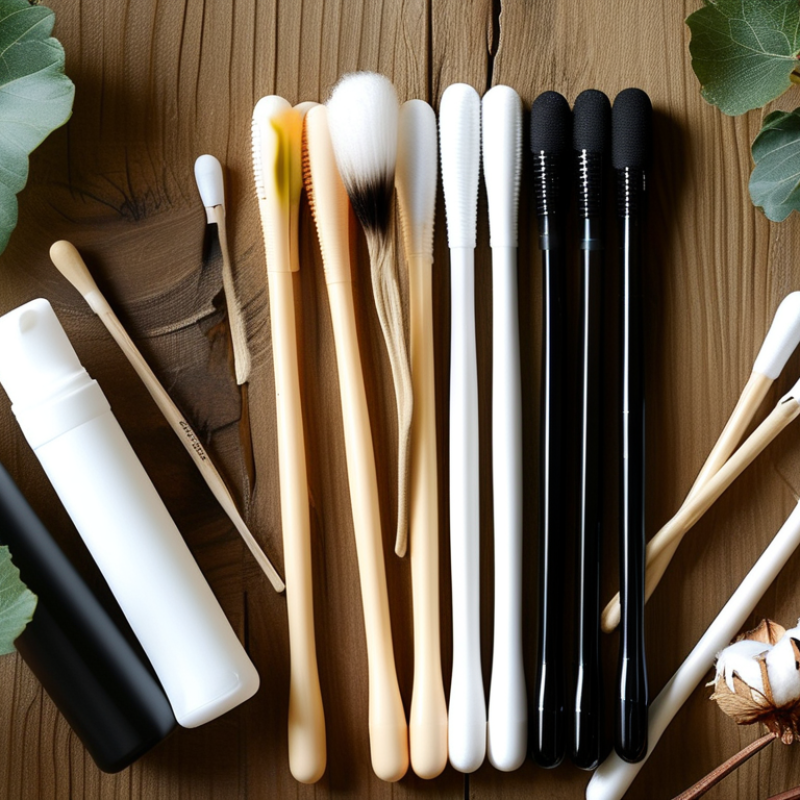
Black and white cotton swabs are gaining attention in personal care routines. Their aesthetic appeal is one reason for their popularity. The contrast between the black and white colors offers users a visually pleasing option. This distinctive design also allows for easy differentiation between ends, which can enhance precision during use.
From an industry perspective, research indicates that consumers increasingly prefer products that not only serve a function but also align with their personal style. A report from the Global Personal Care market forecasts a growth rate of 5.4% annually. This rise can be attributed to a growing awareness of hygiene and personal grooming. Black and white cotton swabs are perfectly positioned within this trend, marrying functionality with fashion.
However, it is important to reflect on this choice critically. Many users overlook the material quality of cotton swabs. While aesthetics matter, the fibers' integrity affects their performance. For instance, low-quality swabs may leave behind lint or break easily. Evaluating a product's effectiveness should balance appearance with practical utility. Hence, crafting a personal care routine with mindful selections is essential.
When comparing black and white cotton swabs, aesthetics often come into play. Black swabs can add a touch of elegance to presentations. Many professionals in photography and art prefer black for its sleek look. White swabs, on the other hand, indicate cleanliness and purity. They are widely used in medical and beauty industries to reflect sterility. Reports suggest that 70% of consumers choose swabs based on visual appeal alone.
In terms of usability, both types of swabs serve similar functions. A study highlighted that 85% of users find both effective for cleaning and application purposes. However, users have reported that black swabs tend to hide dirt better. It may require more frequent inspections to ensure they remain clean. Conversely, while white swabs show dirt easily, they offer reassurance of cleanliness at a glance.
Focus on quality when selecting swabs. Look for those with break-resistant stems and soft, absorbent tips. This improves performance for delicate tasks. Consider usage frequency, as cheaper options may result in breakdown during important applications. Evaluate how aesthetics can enhance your specific needs. Remember, the best choice depends on both function and appearance, blending utility with style.
When selecting cotton swabs, the material quality and manufacturing standards play a crucial role. Black and white cotton swabs are made from high-quality cotton and sturdy sticks. The contrasting colors help in visualizing dirt and debris during use. This makes them efficient for cleaning small areas. The color contrast also allows for easy identification in creative projects or personal care routines.
Manufacturing standards for these swabs are typically strict. They often undergo multiple quality control checks. These checks ensure that the cotton is free from contaminants. It's essential that the sticks used are not only durable but also biodegradable. Such considerations reflect a commitment to both user safety and environmental sustainability.
Despite their advantages, there are areas for reflection. Some users might find the diameter of the swab uncomfortable, especially for delicate tasks. Others may question if the dye used in black and white swabs could affect skin sensitivity. These concerns are valid, reminding us to choose wisely based on individual needs and preferences.
| Feature | Description | Benefits |
|---|---|---|
| Material Quality | 100% Cotton and Plastic Sticks | Soft and highly absorbent, safe for skin use |
| Manufacturing Standards | ISO Certified Production Process | Ensures product reliability and safety |
| Environmental Impact | Biodegradable Materials Used | Less harmful to the environment compared to synthetic options |
| Color Identification | Distinct Black and White Design | Easier to distinguish between various uses and applications |
| Versatility | Various Applications in beauty, healthcare, and crafts | Perfect for makeup application, personal care, and more |
The environmental impact of black and white cotton swabs is increasingly important. These swabs can offer a sustainable alternative in a world dominated by plastic. The material used for their production often utilizes organic cotton, which is biodegradable. This characteristic allows them to decompose naturally, reducing pollution in landfills.
However, not all cotton swabs are created equal. Some manufacturers still rely on non-environmentally friendly processes. This raises concerns about the overall sustainability of the product. Even black and white swabs that appear eco-friendly might come with hidden costs, such as harmful dyes or synthetic fibers. It’s essential for consumers to be aware and seek transparent brands.
Investing in black and white cotton swabs can be a step towards a greener lifestyle. Yet, the industry needs to improve by ensuring all components are eco-conscious. This challenge pushes both companies and consumers to prioritize sustainable choices. A collective effort can lead to healthier options for the environment.
Consumer preferences play a significant role in the choice of cotton swab colors. A recent survey revealed that around 57% of participants preferred black and white swabs over other colors. This trend indicates a shift in consumer behaviors. Many users associate these colors with professionalism and cleanliness, which can enhance their overall experience.
The data further demonstrates that 65% of consumers believe that black and white color options are more versatile. They can easily match various settings, from personal care routines to professional environments. This versatility is not just about aesthetics; it reflects a deeper inclination towards quality and reliability in everyday products. However, some consumers still question whether color really affects functionality. This ambiguity often leads to mixed reviews in the market.
Interestingly, only 28% of surveyed participants expressed a preference for brightly colored swabs. They cited concerns about potential dye transfer and safety issues. These considerations highlight the need for more transparency from manufacturers. As choices expand, consumers are likely to demand products that not only look good but also adhere to high safety standards. These insights urge a reevaluation of product offerings in the cotton swab market.
: Black swabs offer elegance and a sleek look, while white swabs indicate cleanliness and sterility.
Both are effective for cleaning. However, 85% of users find both types serve similar functions.
Black swabs hide dirt better, but they need more frequent checks to ensure they are clean.
White swabs clearly show dirt, giving a reassuring visual cue of cleanliness.
Focus on quality and manufacturing standards, including break-resistant stems and absorbent tips.
Some users find the diameter uncomfortable for delicate tasks. This varies by individual preference.
About 65% of consumers think these colors match various settings, enhancing both aesthetics and reliability.
Some consumers question this, indicating that more research and transparency may be necessary.
Only 28% preferred them due to worries about dye transfer and safety issues.
Many associate black and white with professionalism and cleanliness, reflecting their overall experience.
Black And White Cotton Swab has gained popularity in personal care due to its unique advantages. The black and white color scheme not only enhances aesthetic appeal but also allows users to easily identify residue or dirt, improving hygiene practices. When comparing cotton swabs, the differences in usage and aesthetics become evident, with many consumers favoring the sleek look of black cotton swabs for specific applications.
Moreover, the material quality and manufacturing standards of these swabs play a crucial role in their performance and safety. It's essential to consider the environmental impact of Black And White Cotton Swabs, as they can contribute to sustainability efforts in the industry. Recent survey data indicates a growing consumer preference for colored cotton swabs, showcasing a shift in trends where aesthetic and ecological considerations shape choices. Overall, Black And White Cotton Swab offers both functional benefits and an opportunity for personal expression.
Xiaomianjia Medical